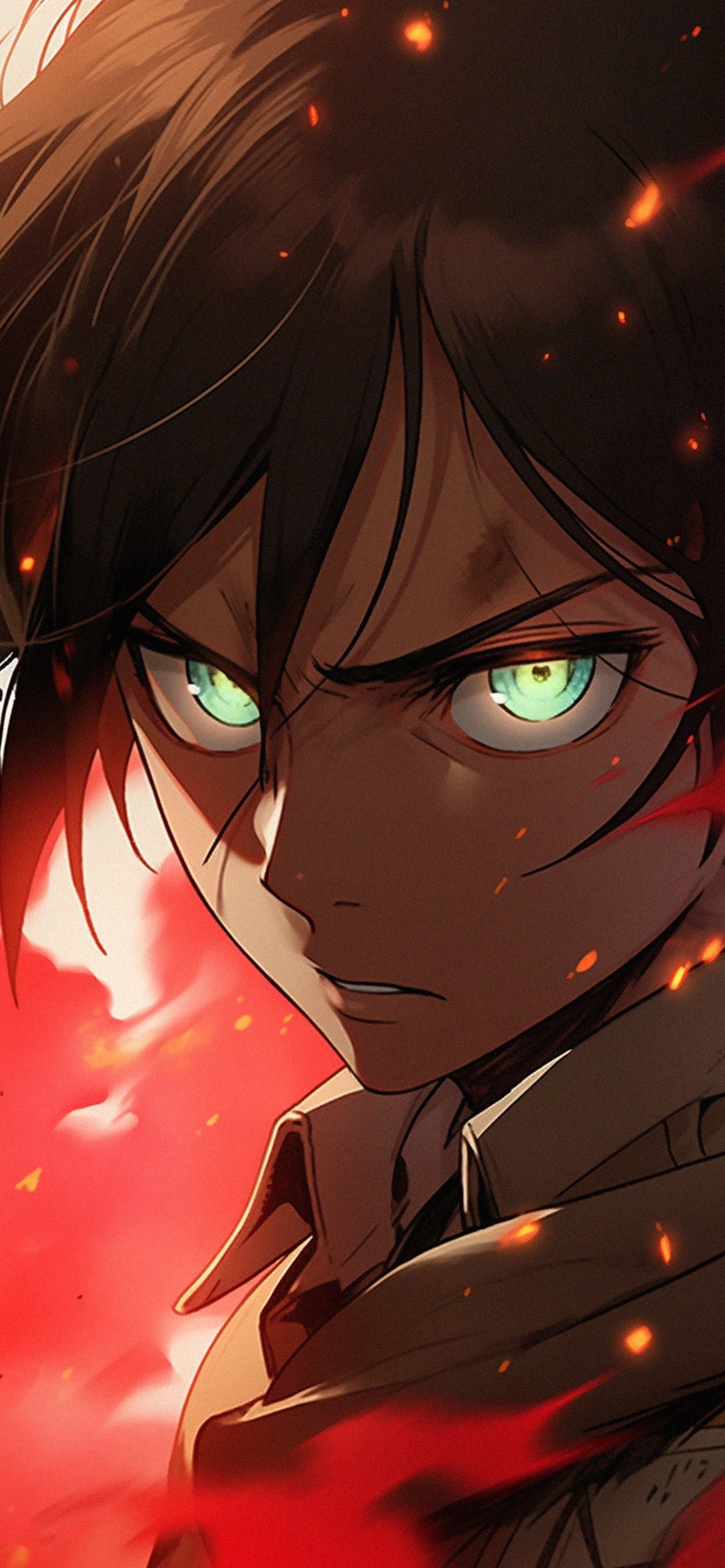
The final moments of Attack on Titan left fans reeling, grappling with the monumental question: is Eren Yeager truly dead? After a journey filled with unimaginable sacrifices, devastating betrayals, and world-altering decisions, the fate of our complicated protagonist remains a hotly debated topic. While the anime delivers a definitive physical end, the philosophical and symbolic implications of Eren's existence continue to spark vibrant discussions among the fandom.
This super pillar hub delves into every facet of Eren's demise and the lingering theories surrounding his spirit. We'll explore the harsh realities of his final act, dissect the complex motivations that drove him, and unpack the compelling arguments for his continued, albeit non-physical, presence in the world. Prepare to journey deep into the heart of Attack on Titan's most profound mysteries.
The Definitive End: Eren's Physical Demise
Let's cut to the chase: Eren Yeager, as a physical being, unequivocally dies at the climax of Attack on Titan. His death is a brutal, necessary act, carried out by Mikasa Ackerman in a scene that forever etched itself into the minds of viewers. Within the colossal skeletal form of the Founding Titan, Mikasa finds Eren, whose head she then severs, bringing an end to his terrifying reign and, crucially, to the very power of the Titans themselves. It's a moment of profound heartbreak and grim resolution, signifying the end of an era. To fully appreciate the weight of this climactic confrontation, take some time to .
Eren's Controversial Path: From Hero to Anti-Hero
Eren's journey from a vengeful boy dreaming of freedom to the orchestrator of the Rumbling is perhaps the most divisive character arc in modern anime history. Driven by a deep-seated desire for liberty and a harrowing understanding of the world's prejudice against Eldians, Eren consistently chose extreme actions. From a young age, his willingness to resort to violence for what he perceived as justice was evident, setting him apart from typical shonen protagonists. Unlike heroes who seek forgiveness or reconciliation, Eren embraced a darker, more pragmatic approach, especially when faced with the non-linear experience of time granted by the Founding Titan.
This power, far from being a clear advantage, complicated his decisions, pushing him towards a path that he believed was the only way to protect his friends and his people. For a deeper understanding of the forces that shaped his choices, you might want to . Ultimately, his final choice to initiate the Rumbling—a genocide that wiped out 80% of humanity—was a horrific yet logical conclusion to his character, a desperate gambit to neutralize the threats against Paradis. Delve further into the logic (or madness) behind this devastating decision by .
Beyond the Grave? Theories of Eren's Lingering Presence
While Eren's physical death is indisputable, the true depth of Attack on Titan's ending lies in its ambiguity regarding his spiritual or essential continuation. The story leaves room for interpretation, fostering two major theories about how Eren might still exist, not as a living person, but as a symbolic or essential force within the world.
The Enigmatic Bird and Freedom's Embrace
One of the most poetic and widely discussed theories revolves around the image of a bird. In the anime's final scenes, a bird gently wraps Mikasa's scarf around her, mirroring Eren's actions in the past. Many fans interpret this bird as Eren himself, reincarnated or manifesting his consciousness to watch over Mikasa and finally achieve the freedom he so desperately craved. This could be a literal transformation facilitated by Ymir's power, or a powerful metaphor for his spirit finding peace and true liberty. While creator Hajime Isayama has never confirmed this interpretation, its emotional resonance with the themes of freedom and connection makes it incredibly compelling. To truly unpack this beautiful symbol, consider .
The Ever-Growing Tree: A New Source of Power?
Another potent theory posits that Eren's essence lives on through the colossal tree that grows where Mikasa buried his head. This tree strikingly resembles the original "Source of All Living Matter" from which Ymir Fritz first gained the Power of the Titans. It suggests that Eren's remaining consciousness or the residual energy of the Founding Titan, after its physical host's demise, fueled the tree's growth. This opens the tantalizing possibility that the Power of the Titans, though seemingly eradicated, could resurface in the distant future, perhaps for a new individual to discover. This cyclical nature of power and conflict is a core theme of the series, making this theory particularly impactful. If you're intrigued by the implications of this monumental growth, you'll want to .
The Unending Cycle: What Attack on Titan's Ending Truly Implies
Eren's ultimate plan, despite its horrific scale, was deeply flawed. His desire to make his friends heroes and end the cycle of hatred was ultimately unsuccessful. While the Power of the Titans vanished, the final scenes, particularly the massive tree and the boy approaching it, strongly suggest that the cycle of conflict, war, and the potential for a new source of power is far from over. Attack on Titan's ending delivers a stark message: history is doomed to repeat itself, and peace is an ongoing struggle, not a permanent state. The use of time travel in the narrative wasn't to change the past, but to emphasize this very inevitability. To truly grasp the profound implications of this conclusion, we recommend . For a comprehensive breakdown of the entire series' wrap-up, be sure to .
Ultimately, whether Eren Yeager is "dead for good" depends on how one defines existence. Physically, yes, he met his end. But his impact, his legacy, and the lingering questions about his essence continue to shape the world of Attack on Titan long after the final panel. His story isn't just about a character's demise, but about the enduring nature of human conflict and the eternal hope (or folly) of breaking free from destiny's chains.